
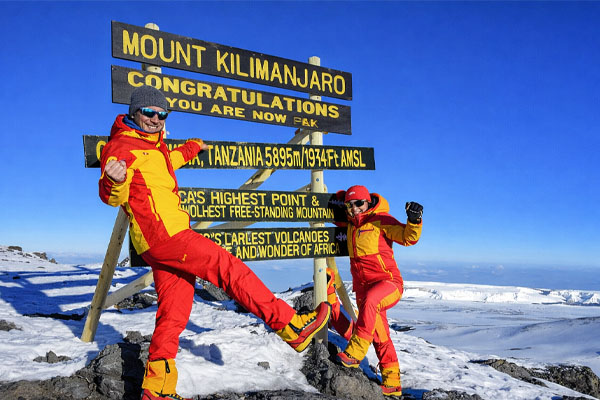
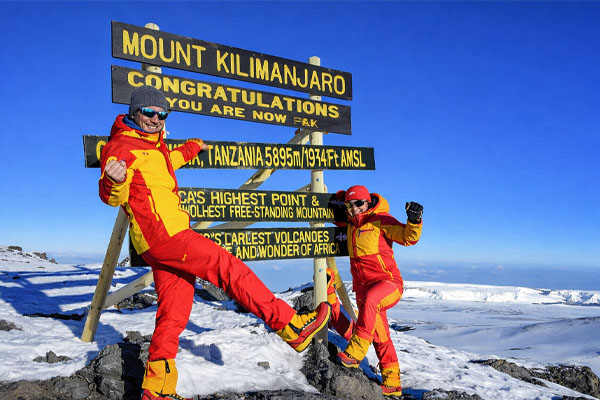
Standing at 5,895 meters (19,341 feet), Mount Kilimanjaro is the tallest mountain in Africa and one of the world’s most famous trekking destinations. Every year, thousands of climbers travel to Tanzania to experience the adventure of reaching Uhuru Peak, the “Roof of Africa.” One of the most common questions travelers ask before booking their trek is: What is the best time to climb Mount Kilimanjaro?
The answer depends on weather conditions, trail traffic, visibility, and your personal travel goals. While Mount Kilimanjaro can technically be climbed all year round, some months provide much better climbing conditions than others. In this guide, we explain the best seasons to climb, what weather to expect, and how to choose the right time for your Kilimanjaro adventure.
Understanding Kilimanjaro’s Weather
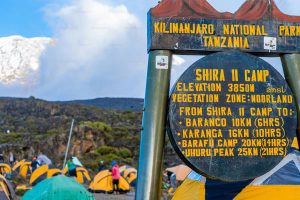
Unlike many mountains, Mount Kilimanjaro is located close to the equator. This means temperatures at the base remain relatively warm throughout the year. However, because of the mountain’s high altitude, weather conditions change dramatically as you climb higher.
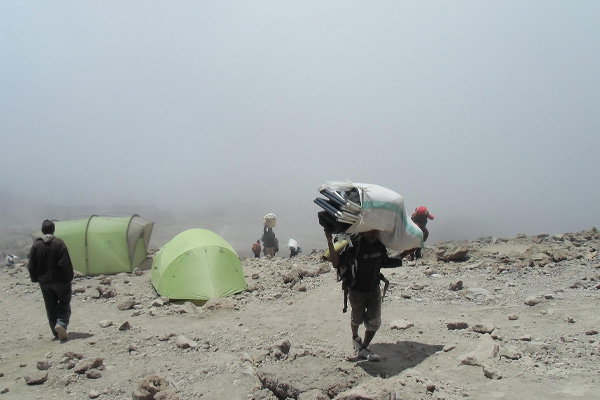
Kilimanjaro has two main climbing seasons that are considered ideal:
- January to March
- June to October
These months usually offer drier weather, clearer skies, and better trekking conditions.
The mountain also experiences two rainy seasons:
- Long rains: March to May
- Short rains: November
Although climbing during rainy months is possible, trails become muddy and visibility may be reduced.
Best Time to Climb Kilimanjaro: January to Marc
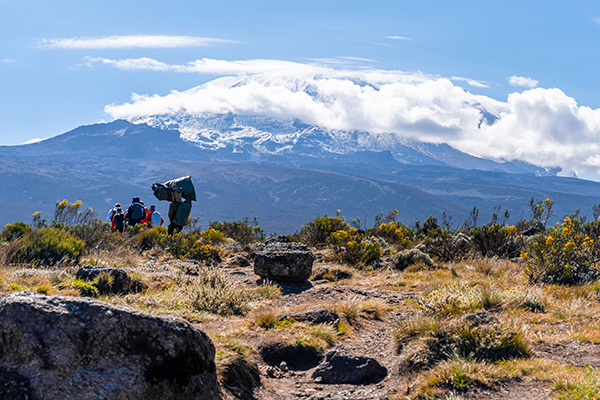
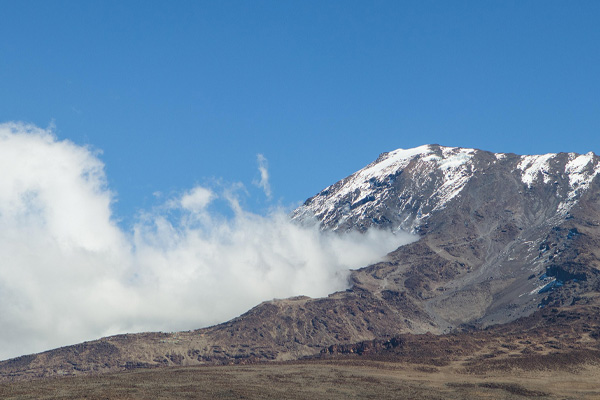
The months from January through March are considered one of the best periods to climb Mount Kilimanjaro. During this season, the weather is generally warm with fewer crowds compared to mid-year climbs.
Why Choose January to March?
- Mild temperatures
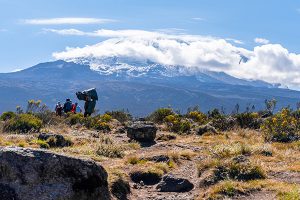
- Beautiful snow at the summit
- Fewer climbers on the trails
- Clear morning views
- Great conditions for photography
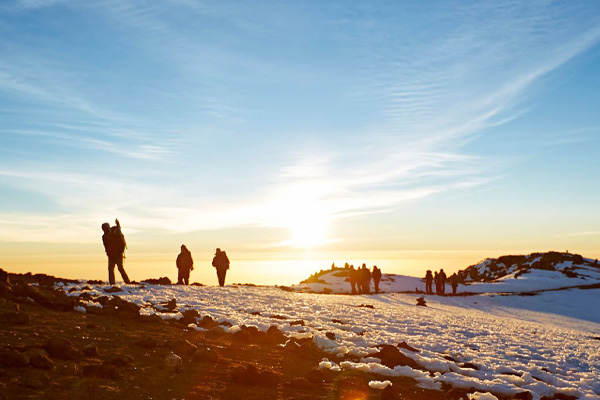
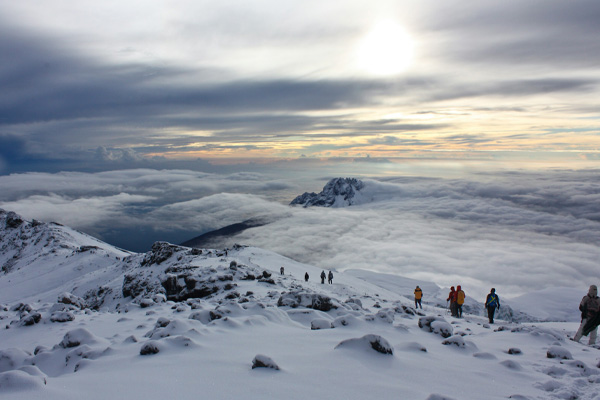
This season is especially good for travelers looking for a quieter trekking experience. Snow often covers parts of the summit, creating breathtaking scenery near Uhuru Peak.
January and February are usually the warmest months on the mountain, making them ideal for climbers who prefer less extreme cold conditions.
Best Routes During This Season
Popular routes during January to March include:
- Machame Route
- Lemosho Route
- Rongai Route
- Marangu Route
The Rongai Route is particularly attractive during this time because it is located on the drier northern side of the mountain.
Best Time to Climb Kilimanjaro: June to October
June to October is the most popular climbing season on Mount Kilimanjaro. Many climbers choose this period because it offers the driest weather and excellent visibility.
Advantages of June to October
- Dry and stable weather
- Clear skies and panoramic views
- Excellent trekking conditions
- Lower chances of rain
- Ideal for summit photography
This season is highly recommended for first-time climbers because trail conditions are usually safer and more comfortable.
July, August, and September are especially busy because they coincide with summer holidays in Europe and North America.
Things to Consider
Since this is the peak season:
- Campsites may be crowded
- Permits and accommodations should be booked early
- Prices can be slightly higher
Despite the crowds, many travelers still prefer these months because of the excellent weather.
Climbing During the Rainy Seasons
March to May – Long Rain Season
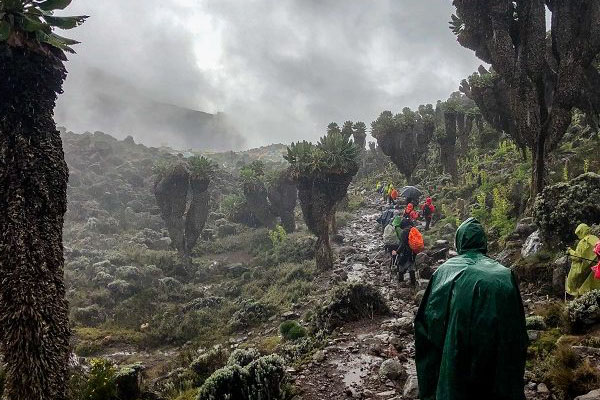
The long rains are generally considered the most difficult period to climb Kilimanjaro. Heavy rainfall can make trails slippery and muddy, especially on forested routes.
Challenges include:
- Wet gear and clothing
- Limited mountain views
- Difficult trekking conditions
- Increased cloud cover
However, this season also has some benefits:
- Very few climbers
- Peaceful trails
- Lower travel costs
The Rongai Route is often the best option during this period because it receives less rainfall than southern routes.
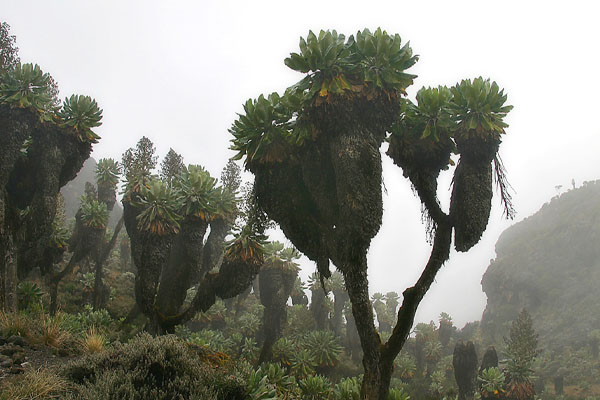
November Short Rain Season
November usually experiences lighter rainfall than April and May. Climbers who do not mind occasional showers may still enjoy successful summits during this month.
Advantages include:
- Less crowded routes
- Beautiful green landscapes
- Lower tour prices
Rain typically falls in the afternoons, while mornings can remain clear for hiking.
Full Moon Climbs on Kilimanjaro
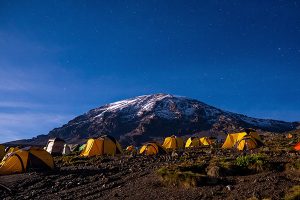
Many travelers prefer climbing during a full moon because the mountain becomes beautifully illuminated at night. Summit night under a full moon offers incredible views and reduces the need for headlamps.
Full moon climbs are extremely popular among photographers and adventure travelers seeking a magical summit experience.
Benefits of a full moon climb include:
- Better visibility during summit night
- Stunning night landscapes
- Incredible photography opportunities
- Unique mountain atmosphere
Because full moon departures are in high demand, early booking is strongly recommended.
Best Time for Different Types of Climbers
Best Time for Beginners
For first-time climbers, the best months are:
- January
- February
- July
- August
- September
These months usually provide stable weather and safer trail conditions.
Best Time for Photography
If photography is important for your trip, choose:
- January to March
- June to October
These seasons offer clear skies, spectacular sunrises, and panoramic summit views.
Best Time for Quiet Trails
For fewer crowds, consider:
- January
- Early March
- November
These periods provide a more peaceful trekking experience.
Choosing the Best Kilimanjaro Route
The best time to climb also depends on the route you choose.
Machame Route
Known as the “Whiskey Route,” this is one of the most scenic and popular routes. Best climbed during dry seasons.
Lemosho Route
Excellent for acclimatization and panoramic scenery. Ideal during both main climbing seasons.
Rongai Route
The driest route on Kilimanjaro. Recommended during rainy seasons.
Marangu Route
The only route with hut accommodations instead of tents. Popular year-round.
Northern Circuit Route
The longest route with the highest summit success rates. Best during dry months for maximum scenery.
Temperature on Mount Kilimanjaro
Even during the best climbing seasons, temperatures at the summit can become extremely cold.
Approximate temperatures:
- Base of mountain: 20°C to 30°C
- Mid-altitude camps: 5°C to 15°C
- Summit night: -10°C to -20°C
Good preparation and proper gear are essential regardless of the season.
Tips for Choosing Your Climbing Date
Before selecting your Kilimanjaro trek dates, consider:
Your Fitness Level
Longer routes with better acclimatization increase summit success.
Crowd Preferences
Peak seasons offer great weather but busier trails.
Budget
Rainy seasons may have lower prices and discounts.
Photography Goals
Dry seasons provide the clearest summit views.
Combining Safari and Zanzibar
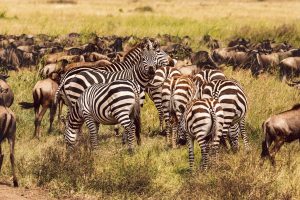
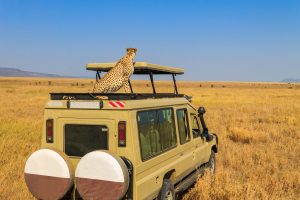
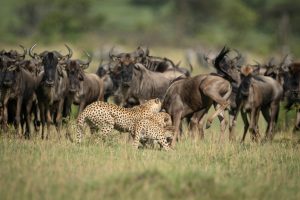
Many travelers combine Kilimanjaro with a Tanzania safari or Zanzibar beach holiday. June to October is also the best safari season in Tanzania.
Final Thoughts
The best time to climb Mount Kilimanjaro is generally during the dry seasons from January to March and June to October. These months provide the best balance of weather, visibility, and trekking comfort.
If you want quieter trails and snowy summit scenery, January and February are excellent choices. If you prefer dry weather and clear mountain views, June through October is ideal.
No matter when you climb, reaching Uhuru Peak is an unforgettable experience filled with adventure, personal achievement, and breathtaking African landscapes.
Ready to climb Africa’s highest mountain? Start planning your Kilimanjaro adventure with experienced local guides and discover why this iconic mountain continues to inspire travelers from around the world.


Nemo enim ipsam voluptatem quia voluptas sit aspernatur aut odit aut fugit, sed quia consequuntur magni dolores eos qui ratione voluptatem sequi nesciunt.
Duis aute irure dolor in reprehenderit in voluptate velit esse cillum dolore